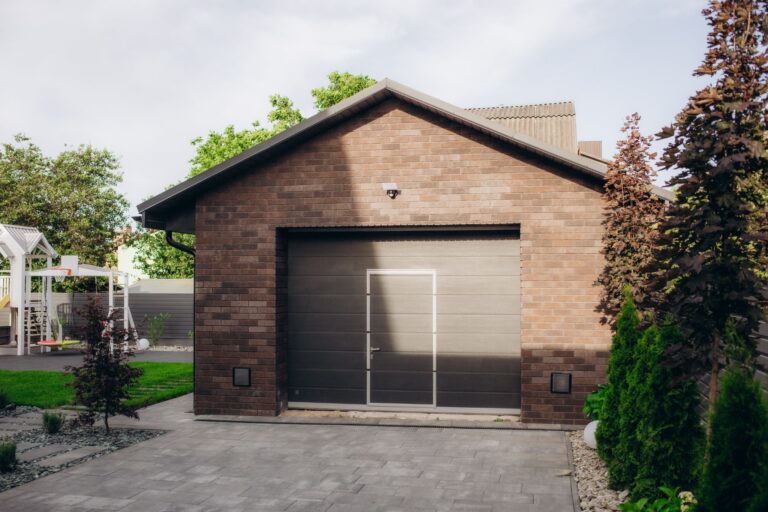
For many homeowners, space is at a premium. Growing families, multigenerational living, or simply wanting more room to enjoy can make expanding your home feel essential. At the same time, property values in Southern California continue to rise, so any investment in extra square footage needs to deliver strong long-term benefits.
Two of the most popular solutions are building an Accessory Dwelling Unit (ADU) or undertaking a traditional home addition. While both options add usable space, the type of value they create can look very different. An ADU offers an independent living area, ideal for rental income, guest housing, or accommodating family members, while a home addition enhances your existing floor plan, often boosting comfort, flow, and resale appeal.
The choice isn’t always straightforward. Factors like budget, property layout, zoning regulations, and lifestyle goals all play a role in determining whether an ADU or a home addition makes the most sense for you. By weighing the pros and cons of each, homeowners can find the right balance between increasing functionality today and maximizing property value tomorrow.
What is an ADU?
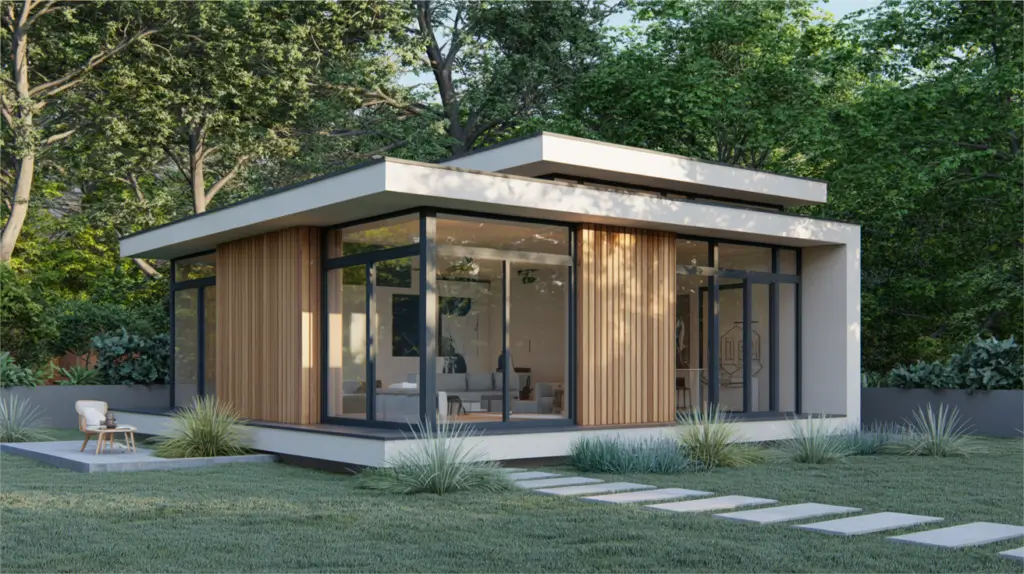
An ADU, or Accessory Dwelling Unit, is a secondary living space built on the same property as a primary residence. Unlike a spare room or basement, an ADU is designed as a fully independent unit, complete with its own kitchen, bathroom, and entrance. This makes it highly versatile and attractive to homeowners and buyers alike.
ADUs come in several forms, each with unique benefits and construction requirements. The most common types include:
- Detached ADUs: Separate backyard units built independently from the main home.
- Attached ADUs: Units added onto the primary residence, sharing at least one wall.
- Garage Conversions: Transforming an existing garage into a livable unit.
- Junior ADUs (JADUs): Smaller spaces carved out within the existing home, usually under 500 square feet.
Typical uses for ADUs range from long-term rentals and short-term Airbnb income to private guest housing, multigenerational living, or even home offices. Their flexibility makes them a highly sought-after feature in today’s competitive housing market.
What is a Home Addition?
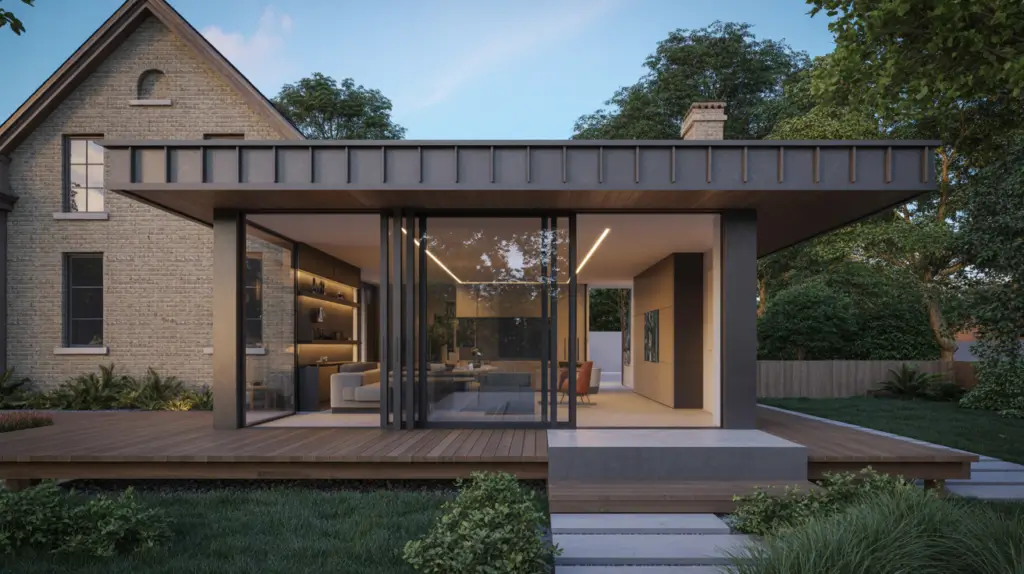
A home addition refers to expanding the existing footprint of your house to create more living space. Unlike ADUs, which are independent units, additions are integrated into the main home and share utilities, entrances, and design. They are ideal for families who simply need more space without the need for separate living quarters.
There are several common types of home additions that homeowners consider:
- Room Extensions: Adding extra square footage to a living room, bedroom, or kitchen.
- Second-Story Additions: Building an entirely new floor on top of the home.
- Bump-Outs: Smaller expansions that enlarge a single room for added functionality.
Home additions are typically used to increase bedroom space, expand kitchens, or create larger living areas. They integrate seamlessly into the home, making them popular for families who plan to stay in their property long term.
Comparing ADUs and Home Additions
Both ADUs and home additions expand space and add value, but they differ significantly in cost, function, and return on investment. Understanding these differences helps homeowners choose the option that best aligns with their budget and long-term goals.
Cost Differences
ADUs often cost between $100,000 and $350,000, depending on size and type. Detached ADUs are the most expensive, while garage conversions and JADUs are more budget-friendly. Home additions can range from $75,000 for a small bump-out to more than $300,000 for a large second-story project. Several factors influence costs for both, including:
- Materials and finishes
- Site preparation and utilities
- Permitting and inspection fees
- Size and complexity of design
Space and Functionality
ADUs function as independent living units. They create privacy, generate rental income, and provide multigenerational housing solutions. Home additions, on the other hand, expand existing rooms or create new ones, improving comfort and usability within the main house.
For families who want rental flexibility, an ADU is ideal. For homeowners who simply want a larger kitchen, bedroom, or living space, a home addition makes more sense.
Impact on Property Value
In California, ADUs typically add 20 to 35 percent to a home’s resale value, particularly in high-demand areas like Los Angeles. Their ability to generate rental income also boosts their long-term worth. Home additions add value as well, but the ROI is usually tied more closely to functionality and buyer demand in the neighborhood.
Location is a deciding factor. In rental-heavy areas, ADUs outperform additions. In suburban neighborhoods where larger living spaces are in demand, home additions can add comparable value.
Lifestyle Benefits
ADUs offer privacy and independence, which makes them attractive for renters, guests, or family members who want separate quarters. Home additions, however, provide a seamless expansion of your current home, making everyday living more comfortable.
For example, an ADU might be the better choice if you want a rental property, while a home addition may suit a growing family that needs more bedrooms or living space. Both improve lifestyle, but in very different ways.
Pros and Cons of ADUs vs. Home Additions
Both ADUs and home additions have unique advantages and challenges, and the right choice depends on your goals as a homeowner. ADUs excel in flexibility and income potential, while home additions focus on expanding comfort and functionality. Understanding the pros and cons of each helps you make the best decision.
Pros of ADUs
ADUs are one of the most versatile ways to add value to a property. They provide both financial benefits and lifestyle improvements, giving homeowners more options for how to use the extra space over time. Their independence from the main house makes them especially appealing.
- Rental income potential: ADUs can be rented out for long-term tenants or short-term stays, creating a steady revenue stream. In high-demand areas like Los Angeles and Orange County, this income can offset mortgage costs or provide extra financial security, making ADUs an attractive investment.
- Increased property value: An ADU can raise a property’s value by 20 to 35 percent, depending on location and quality of construction. Buyers see the extra unit as a long-term asset, especially when it is fully permitted and move-in ready. This makes homes with ADUs sell faster and for more money.
- Flexibility in use: Beyond income, ADUs serve multiple purposes. They can house aging parents, provide private space for adult children, or act as a home office or guest suite. Because they function as stand-alone units, they adapt easily to changing family needs or market conditions.
Cons of ADUs
Despite their many benefits, ADUs also come with challenges. The cost of construction is higher than many home additions, and the permitting process can be more complex. Homeowners must carefully consider whether their property and budget can accommodate these requirements before moving forward.
- Higher upfront costs than some additions: Detached ADUs can cost anywhere from $150,000 to $350,000, depending on size, finishes, and site preparation. While the investment pays off in the long run, the initial expense may be prohibitive for some homeowners. Smaller options like garage conversions are more affordable but still significant.
- Zoning and permit complexity: Building an ADU often requires navigating multiple layers of city and county regulations. Permitting can take months and requires detailed plans. Working with experienced ADU builders helps simplify this process, but it still adds time and complexity compared to many home additions.
Pros of Home Additions
Home additions are ideal for families who want more space without creating a separate unit. They integrate seamlessly into the existing home, making them feel like a natural extension. For homeowners who plan to stay long term, additions are a practical way to increase comfort and livability.
- Expands existing living space: Additions make kitchens larger, bedrooms more spacious, or living areas more open. This extra space directly enhances daily life and improves functionality, which is often the main priority for growing families.
- Feels like part of the main home: Unlike ADUs, which are independent, additions are designed to blend with the existing home. When done well, they look and feel seamless, maintaining the architectural flow of the property while giving you more room.
- Typically faster permitting than ADUs: Permits for additions are usually simpler since they expand the main residence rather than create a new dwelling unit. This often makes the process faster and less stressful, especially in areas with complex ADU regulations.
Cons of Home Additions
While home additions can improve comfort and function, they lack the income potential of ADUs and may offer less financial return on resale. They also bring their own challenges during construction, which homeowners should plan for before committing to the project.
- No rental income potential: Additions do not function as separate living spaces, so they cannot be rented out legally. This limits their financial upside compared to ADUs, which can generate steady monthly revenue.
- ROI may be lower compared to ADUs: Although additions add value, the return is usually tied to functionality rather than direct income potential. In markets like Los Angeles, where rentals are in high demand, this makes their ROI lower compared to ADUs.
- Can disrupt home layout during construction: Building an addition often means working within existing spaces, which can cause major disruption. Kitchens and living areas may be unusable for weeks or months. For families living on-site, this can be inconvenient and stressful during the build.
Which Option Makes More Sense for You?
The right choice between constructing an ADU and a home addition depends largely on your personal goals. If your priority is generating rental income and boosting resale potential, an ADU is often the stronger investment. Its ability to function as a separate living space gives it long-term financial appeal.
On the other hand, if your main focus is creating a more comfortable living space for your household, a home addition may be the smarter choice. Additions expand the functionality of your existing home without the added complexity of building an entirely independent unit. Budget, lifestyle needs, and plans should all guide your decision.
Let Vertex Developers Inc. Help You With ADU & Home Addition Services
Whether you are leaning toward an ADU or a traditional home addition, working with the right builder makes all the difference. Vertex Developers Inc. specializes in both ADU construction services and custom home additions across Los Angeles and Orange County. Our team ensures projects comply with local codes, maximize ROI, and fit seamlessly with your property.
If you are ready to expand your living space, contact Vertex Developers Inc. today. Our experts will guide you through planning, design, and construction, helping you choose the option that best enhances your home and your future value.