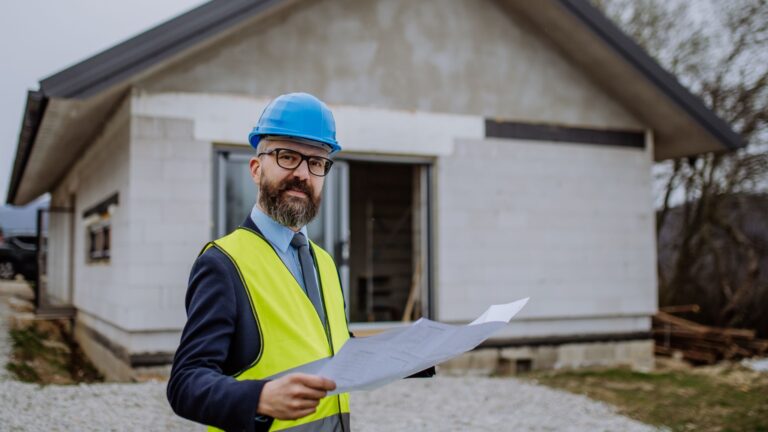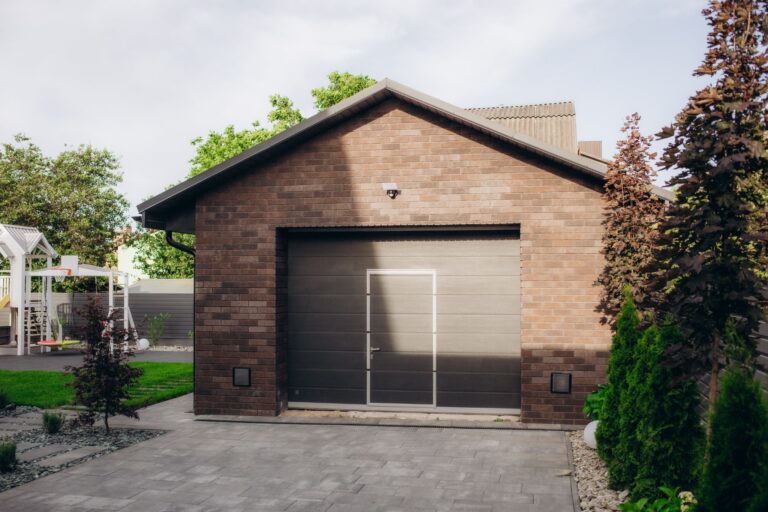
A home addition is a planned construction project that expands the usable space and function of an existing home. It can include adding a new bedroom, bathroom, kitchen extension, family room, garage conversion, or second-story addition.
Homeowners often need a home addition when their current layout no longer supports their lifestyle. This may include a growing family, the need for a home office, more storage, better entertaining space, or the desire to increase property value without moving.
Planning a home addition requires careful preparation because it affects the home’s structure, budget, timeline, permits, and daily routine during construction. Homeowners should start by researching local regulations, setting a realistic budget, defining their goals, hiring qualified contractors, and preparing for the disruption that comes with construction.
- Research Local Regulations
- Create A Budget
- Brainstorm Your Plan
- Determine Non-Negotiables
- Create A Timeline
- Hire Contractors
- Logistical Planning
1. Research Local Regulations
Researching local regulations is one of the first steps in planning a home addition because every city has rules about what you can build, where you can build it, and how large the addition can be. Homeowners should check zoning laws, setback requirements, height limits, permits, and property line restrictions before finalizing any plans. This helps avoid delays, redesigns, fines, or problems getting the project approved later.
2. Create A Budget
Creating a budget helps homeowners understand what they can realistically spend before planning the details of a home addition. The budget should account for design, permits, materials, labor, contractor fees, and unexpected costs. Setting a clear budget early also makes it easier to prioritize must-have features, avoid overspending, and keep the project aligned with the homeowner’s financial comfort level.
3. Brainstorm Your Plan
Brainstorming your plan helps you clarify what you want the home addition to accomplish before moving into design, budgeting, or construction. Homeowners should think about the purpose of the new space, how it will connect to the existing home, which features are most important, and how the addition will improve daily living. This early planning stage makes it easier to create a realistic design and communicate clearly with contractors.
4. Determine Non-Negotiables
Determining non-negotiables helps homeowners identify the features, functions, or design elements they are not willing to compromise on during a home addition project. These may include the size of the new space, number of rooms, layout, natural light, storage, accessibility, or specific materials. Knowing these priorities early makes it easier to make budget decisions, guide the design process, and avoid regrets once construction begins.
5. Create A Timeline
Creating a timeline helps homeowners understand how long each stage of a home addition may take, from design and permits to construction and final inspections. A realistic timeline should also leave room for delays caused by permit approvals, material availability, weather, or unexpected construction issues. Planning the schedule early makes it easier to stay organized, reduce stress, and avoid rushing important decisions.
6. Hire Contractors
Hiring contractors is an important step because the right team can determine the quality, timeline, and overall success of a home addition project. Homeowners should research local room addition contractors, compare quotes, review past work, check licenses and insurance, and ask clear questions before making a decision. Choosing experienced professionals helps keep the project organized, code-compliant, and aligned with the homeowner’s goals.
7. Logistical Planning
Logistical planning helps homeowners prepare for the temporary disruption that comes with a home addition project. Depending on the size of the addition, this may include adjusting sleeping arrangements, setting up a temporary workspace, protecting furniture, planning meals, arranging child or pet care, or even staying somewhere else during construction. Thinking through these details early can make the process smoother and less stressful.
How to Choose a Contractor for a Home Addition in Los Angeles?
A home addition can be a lot of work. Having people on your side who understand the process is invaluable. Our experienced team at Vertex Developers Inc includes room addition contractors and other helpful professionals. We can help you achieve your home addition goals with ease. Contact our design and build firm today for more information!